
Introduction
Cats spend up to half of their waking hours grooming their sleek coats. During this meticulous routine, tiny backward-facing barbs on their tongues hook loose fur. Your cat swallows most of this hair without any issues. Normally, the fur passes through the entire digestive tract and ends up in the litter box. Problems start when swallowed fur collects inside the stomach instead of moving forward naturally. Over time, this trapped fur forms a dense mass known as a hairball.
Occasional hairballs are a normal part of feline life for most cat owners. However, frequent hairballs signal potential digestive sluggishness or excessive grooming habits. When a cat cannot pass or vomit the hairball, severe blockages can occur inside the intestines. Understanding effective solutions prevents uncomfortable retching and protects your pet from risky surgical emergencies. In this guide, we will examine three common hairball remedies for cats: Vaseline vs malt paste vs high-fiber wet diets.
Vaseline as a Traditional Hairball Remedy for Felines
Pet owners have used petroleum jelly as a home remedy for decades. Vaseline works by coating swallowed hair inside the stomach with a slick layer. This slippery barrier helps the hairball slide smoothly through the digestive tract and out into the litter box. Because petroleum jelly cannot be digested, it acts purely as a mechanical lubricant. Many budget-conscious owners turn to Vaseline because it is inexpensive and readily available in almost every household.
Despite its long history, Vaseline carries several potential risks for long-term feline health. Petroleum jelly can coat the intestinal lining and interfere with nutrient absorption when used frequently. Continuous use may lead to deficiencies in essential fat-soluble vitamins like vitamins A, D, E, and K. Additionally, forcing a cat to swallow greasy Vaseline increases the risk of accidental inhalation into the lungs. Veterinarians generally recommend using Vaseline only as a temporary emergency measure rather than a regular prevention strategy.
Malt Paste and Its Role in Preventing Feline Hairballs
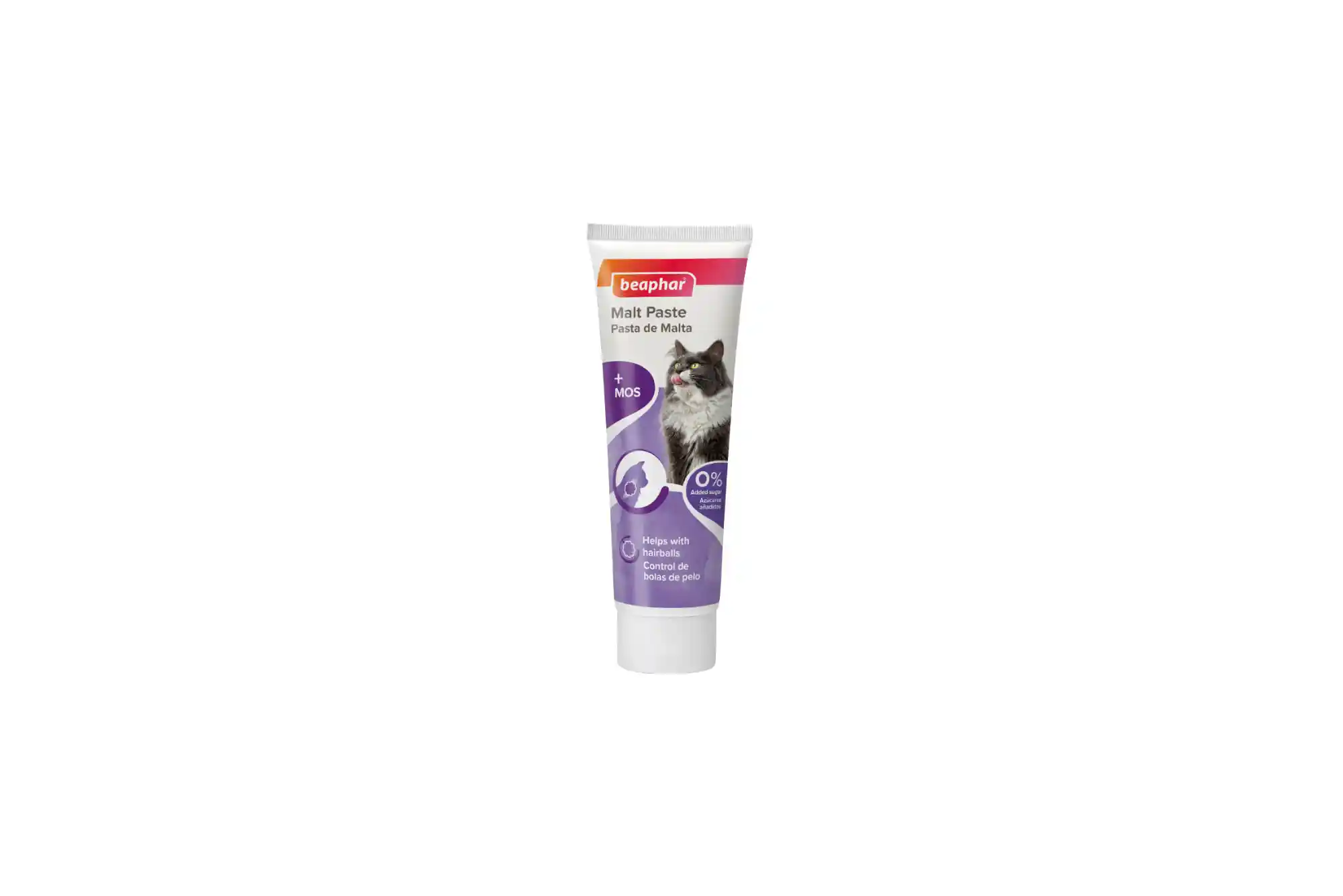
Malt paste is one of the most popular commercial solutions for managing feline hairballs today. This tasty paste combines malt extract with mineral oils or plant fats to lubricate trapped fur. The smooth emulsion coats the swallowed hair mass and encourages natural passage through the intestines. Beyond lubrication, malt paste often contains added dietary fiber and essential vitamins to support overall gut motility. Most cats willingly lick the paste directly from the tube without any fuss.
However, cat owners must remain aware of the dietary downsides associated with malt paste products. Many commercial formulations contain added sugars, syrups, and high levels of calories. Giving malt paste regularly can contribute to unwanted weight gain, especially in inactive indoor cats. Furthermore, cats with diabetes or food sensitivities may react poorly to the sweeteners and artificial additives. Always review ingredient labels carefully to select high-quality malt paste products for your pet.

High-Fiber Wet Diets for Long-Term Hairball Control
Switching your cat to a high-fiber wet diet offers a natural, daily approach to hairball management. Dietary fiber adds bulk to your cat’s stool and stimulates normal intestinal muscle contractions. Insoluble fiber acts like a broom, sweeping trapped fur through the stomach and intestines efficiently. Meanwhile, soluble fiber feeds beneficial gut bacteria and helps maintain smooth, healthy bowel movements every day.
Wet food provides critical hydration that dry kibble simply cannot match for domestic felines. Proper hydration softens swallowed hair masses and prevents intestinal impaction before it can start. Transitioning to a high-fiber wet diet requires a slow and steady adjustment period over one to two weeks. Mix small amounts of the new fiber-rich wet food into your cat’s current meals gradually to avoid digestive upset. Over time, this dietary strategy provides balanced daily nutrition tailored for hairball prevention.
Vaseline vs Malt Paste vs High-Fiber Wet Diets Compared
Choosing the right hairball solution depends on your cat’s specific health profile, dietary needs, and preference. Vaseline offers an inexpensive, immediate lubricant for short-term situations, but it lacks nutritional benefits and carries absorption risks. Malt paste provides a highly appealing, palatable treat that lubricates effectively, though its sugar and calorie content requires careful management. A high-fiber wet diet treats the root cause naturally through daily nutrition and hydration, making it the healthiest permanent choice.
Many veterinarians suggest combining these approaches based on your cat’s unique hairball frequency. For instance, a high-fiber wet diet serves as excellent daily preventive maintenance for long-haired breeds. During seasonal shedding periods, adding a high-quality malt paste twice weekly offers helpful extra lubrication support. Reserving Vaseline strictly for rare emergency needs keeps your cat safe from potential nutrient deficiencies over time. Evaluating these options helps you create a balanced hairball control plan.
Additional Lifestyle Tips to Reduce Swallowed Fur Naturally
Dietary remedies work best when combined with proactive physical grooming strategies at home. Brushing your cat daily removes loose, dead fur before your pet can swallow it during self-grooming. Fine-toothed slicker brushes and specialized deshedding tools work wonders for long-haired cat breeds. Establishing a regular grooming routine builds bonding time while keeping your home cleaner and hairball-free.
Hydration plays an essential role in keeping your cat’s digestive tract moving smoothly every day. Encourage your cat to drink more water by placing fresh water fountains around your living space. Running water attracts curious felines and inspires them to hydrate more frequently throughout the day. Combining proper hydration, daily grooming sessions, and a fiber-rich diet creates the ultimate defense against stubborn hairballs.
When to Seek Immediate Veterinary Attention for Hairballs
While retching up an occasional hairball is normal, certain symptoms indicate a dangerous internal intestinal blockage. If your cat retches repeatedly without producing any hairball, contact your veterinarian right away. Frequent dry heaving suggests a hair mass is trapped in the stomach or intestines and cannot pass. Ignoring these clear warning signs can lead to life-threatening digestive complications requiring immediate surgical intervention.
Other severe warning signs include persistent lethargy, sudden loss of appetite, abdominal tenderness, and severe constipation. A sudden change in bowel habits or unusual weakness demands professional medical evaluation without delay. Your veterinarian can perform physical exams or abdominal X-rays to pinpoint the exact location of any blockage. Prompt veterinary care ensures your feline companion stays safe, comfortable, and healthy for years to come.
Frequently Asked Questions
How often should a cat throw up hairballs naturally?
Passing a hairball once every one to two weeks is generally considered normal for most cats. If your cat vomits hairballs multiple times a week, consult your veterinarian to discuss preventive care options.
Can I give my cat regular butter or cooking oil for hairballs?
You should avoid using cooking oils or butter as routine hairball remedies for your feline. These fats digest quickly, absorb into the body, and can trigger dangerous pancreatic inflammation in cats.
Is malt paste safe for daily use in long-haired cats?
Malt paste is safe for frequent use, but daily administration may cause weight gain due to high calorie levels. Most veterinarians recommend giving malt paste two to three times weekly during peak shedding seasons.
How long does it take for a high-fiber wet diet to show results?
Dietary changes usually show noticeable improvements in hairball frequency within two to four weeks. Consistent feeding allows the added fiber and extra hydration to regulate gut motility effectively over time.
Conclusion
Managing feline hairballs effectively requires understanding the unique benefits and drawbacks of every available remedy. While Vaseline acts as a quick physical lubricant, its potential risks make it unsuitable for regular usage. Malt paste offers a delicious, easy-to-administer solution, though calorie control remains important for indoor pets. A high-fiber wet diet addresses hairball formation at the root, delivering optimal daily nutrition and critical hydration.