
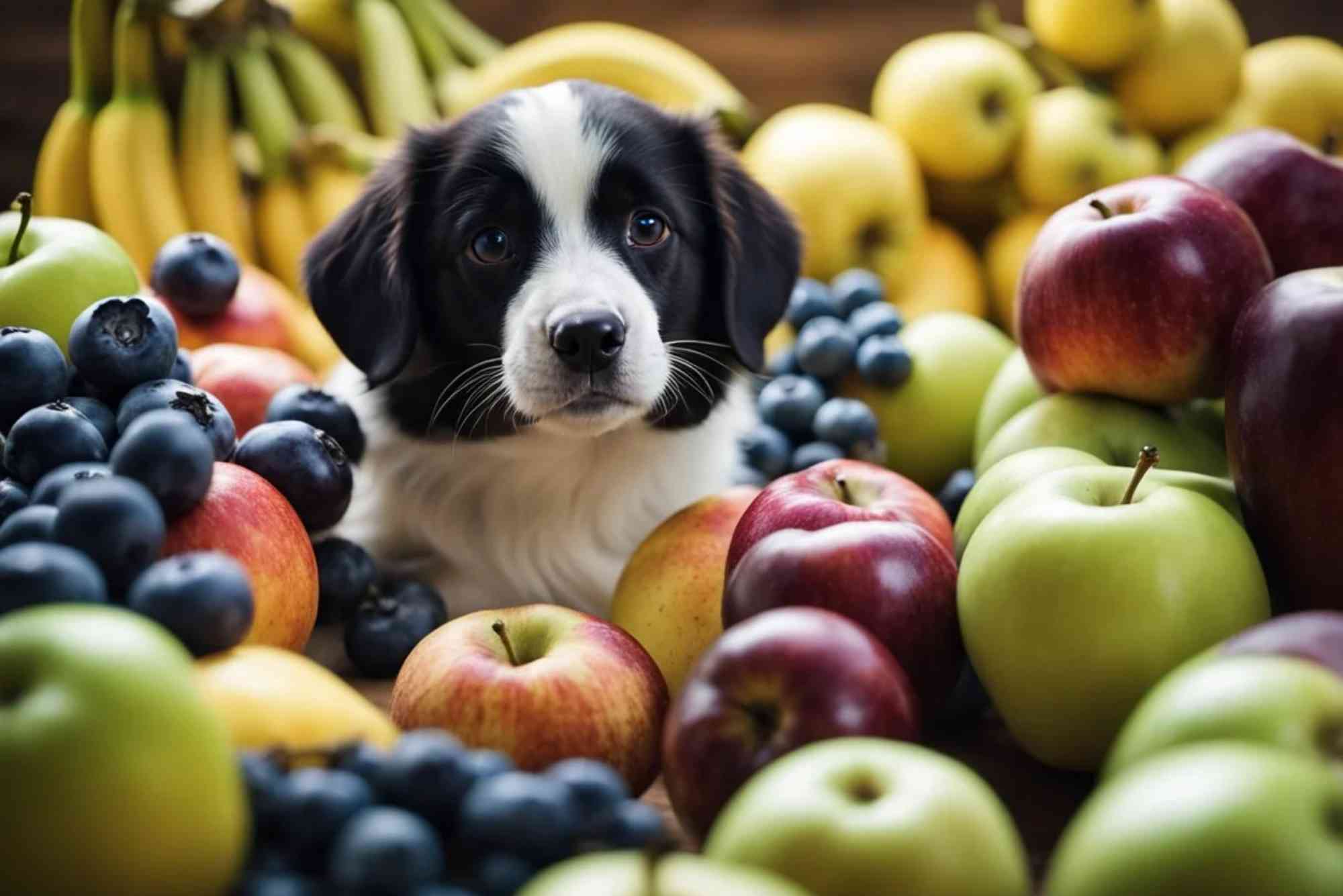

Can Dogs Eat Apples, Bananas, and Carrots? Fiber Benefits and Choking Hazard Prevention
Introduction
Can Dogs Eat Apples, Bananas, and Carrots? Fiber Benefits and Choking Hazard Prevention is an important topic for dog owners who want healthier treats. These common fruits and vegetables can provide useful nutrients. However, preparation and portion size matter.
Dogs have different nutritional needs than humans. Therefore, treats should complement a complete and balanced diet. Apples, bananas, and carrots can be suitable for many healthy dogs when served correctly.
Fiber is one of their useful nutritional benefits. Fiber can support normal digestion and healthy bowel movements. Nevertheless, too much fiber may cause gas, loose stools, or stomach discomfort.
Choking is another concern, especially with larger or harder pieces. Puppies, senior dogs, and fast eaters may need extra care. Cutting food into appropriate pieces can significantly reduce this risk.
For owners researching Can Dogs Eat Apples, Bananas, and Carrots? Fiber Benefits and Choking Hazard Prevention, the key is simple. Choose safe portions, remove potentially harmful parts, and supervise your dog while eating.
Can Dogs Eat Apples, Bananas, and Carrots? Fiber Benefits and Choking Hazard Prevention
Yes, many dogs can safely eat apples, bananas, and carrots as occasional treats. Each food offers different nutrients and textures.

Apples provide fiber and several vitamins. Bananas contain fiber and potassium but also have more natural sugar. Carrots provide fiber and beta-carotene while offering a crunchy texture.
However, these foods should not replace your dog’s regular diet. Treats should remain a small part of daily calorie intake.
The table below summarizes their main benefits and safety considerations.
| Food | Potential Benefits | Main Concern | Safer Preparation |
|---|---|---|---|
| Apples | Fiber, vitamin C, antioxidants | Seeds and core | Remove core and seeds, then slice |
| Bananas | Fiber, potassium, vitamin B6 | Higher natural sugar | Peel and serve small pieces |
| Carrots | Fiber, beta-carotene | Hard chunks can cause choking | Steam or cut into small pieces |
Understanding Can Dogs Eat Apples, Bananas, and Carrots? Fiber Benefits and Choking Hazard Prevention means looking beyond whether these foods are technically safe. Preparation, quantity, and your dog’s individual needs are equally important.
Are Apples Safe for Dogs?
Apples can be a refreshing treat for many dogs. They contain water, fiber, and several beneficial nutrients.
The flesh is generally the useful part to offer. However, apple seeds should always be removed.
Apple seeds contain compounds that can release cyanide when damaged and digested. Occasional accidental ingestion of a seed is unlikely to cause poisoning. Still, deliberately feeding seeds is unnecessary.
The apple core should also be removed. It is firm and difficult to chew properly. A large piece can become a choking hazard.
How Should You Prepare Apples for Dogs?
Wash the apple thoroughly before preparation. Remove the stem, core, and all visible seeds.
Then cut the flesh into small, manageable pieces. Smaller pieces are particularly important for small dogs and enthusiastic eaters.
Start with a modest portion. Watch your dog afterward for digestive changes.
Too much apple can introduce excessive fiber and sugar. This may result in gas, diarrhea, or stomach discomfort.
Can Dogs Eat Bananas?
Bananas can also be suitable for dogs in moderation. They are soft, making them easier to chew than many hard treats.
Bananas contain potassium, vitamin B6, and fiber. However, they also contain natural sugars.
For that reason, bananas work best as an occasional treat rather than a daily staple. Dogs with weight-management concerns may need particularly small portions.
Always remove the banana peel before serving. The peel is difficult to digest and can potentially cause digestive problems.
What Is the Best Way to Serve Bananas?
Peel the banana completely before giving it to your dog. Cut the fruit into small pieces.
You can offer a few pieces as a reward. Alternatively, small banana pieces can be mixed with regular food.
Avoid adding sugar, chocolate, syrup, or other sweet ingredients. Plain banana is the safest choice.
If your dog has a sensitive stomach, introduce banana gradually. Stop if vomiting, diarrhea, or significant discomfort develops.
Are Carrots Good for Dogs?
Carrots are popular dog treats because they offer fiber and beta-carotene. They are also relatively low in calories compared with many commercial treats.
Raw carrots can provide a satisfying crunch. However, their firmness creates a potential choking concern.
Large chunks should never be given to dogs that swallow food quickly. Cutting carrots into smaller pieces makes them easier to manage.
Cooked carrots can be another option. Lightly steaming them softens their texture while preserving many nutrients.
Avoid preparing carrots with butter, heavy seasoning, salt, or sauces. Plain carrots are the better choice.
Can Carrots Help With Dental Health?
Chewing a crunchy carrot may provide some mechanical cleaning action. However, carrots should not be considered a substitute for dental care.
Food does not reliably remove plaque from every tooth surface. Regular brushing and veterinary dental care remain important.
Therefore, use carrots as a nutritious snack rather than a dental treatment.
How Does Fiber Benefit Dogs?
Fiber plays an important role in normal digestive function. It can influence stool consistency and intestinal movement.
Soluble and insoluble fibers work differently. Some fibers absorb water, while others add bulk to stool.
Appropriate fiber intake may support healthy bowel movements. It can also contribute to feelings of fullness.
Apples and carrots contain useful fiber. Bananas also provide fiber, although their sugar content should be considered.
Too much fiber, however, can cause problems. Dogs may develop gas, bloating, loose stools, or changes in bowel habits.
Therefore, more fiber is not always better. The ideal amount depends on the dog’s overall diet and individual needs.
How Can You Prevent Choking When Giving Fruits and Vegetables?
Choking prevention is one of the most important parts of Can Dogs Eat Apples, Bananas, and Carrots? Fiber Benefits and Choking Hazard Prevention.
Food size matters greatly. A piece that is appropriate for a large dog may be dangerous for a small dog.
Fast eaters require additional caution. They may swallow food without properly chewing it.
Always supervise your dog when introducing new treats. Observe how your dog chews and swallows each food.
Cut firm foods into appropriately small pieces. For some dogs, lightly cooking hard vegetables can make them easier to eat.
Avoid giving large chunks of apple, carrot, or other firm produce. Never allow your dog to eat an apple core.
If your dog frequently gulps treats, consider using softer textures. You can also discuss safer treat options with your veterinarian.
How Much Apple, Banana, or Carrot Can a Dog Eat?
There is no single portion that suits every dog. A Chihuahua and a Great Dane have very different calorie requirements.
Treat portions should account for the dog’s size, age, activity level, and overall diet. Health conditions can also affect suitable treats.
A useful approach is to start with a small amount. Monitor your dog’s stool and general behavior afterward.
If everything remains normal, the food can occasionally be included as a treat.
Avoid introducing several new foods simultaneously. Doing so makes it harder to identify the cause of digestive problems.
Owners looking for broader information about companion animal care can also explore a Small & Exotic Pets Guide for additional pet-care topics.
When Should You Avoid These Foods?
Most healthy dogs can tolerate these foods in appropriate portions. However, individual circumstances can change what is suitable.
Dogs with diabetes, obesity, digestive disorders, or special dietary requirements may need stricter treat choices.
Food allergies can also occur. Although uncommon, dogs can react to individual ingredients.
If your dog develops repeated vomiting, diarrhea, swelling, breathing difficulty, or other concerning symptoms, contact a veterinarian promptly.
Dogs with a history of swallowing objects may also require additional caution. Their eating behavior can make certain foods riskier.
A veterinarian can provide individualized guidance based on your dog’s health and diet.
Common Mistakes Dog Owners Should Avoid
One common mistake is assuming that healthy human foods can be given freely. Even nutritious foods contain calories.
Another mistake involves offering pieces that are too large. This is especially dangerous with firm foods such as raw carrots and apples.
Some owners also forget to remove apple seeds and cores. These parts provide no nutritional advantage and create unnecessary risks.
Adding human toppings is another problem. Sugar, chocolate, excessive salt, and certain seasonings can be harmful to dogs.
Finally, changing a dog’s diet too quickly can upset digestion. Introduce unfamiliar treats gradually.
Can Dogs Eat Apples, Bananas, and Carrots Every Day?
Dogs may eat these foods regularly in tiny portions if they tolerate them. However, daily feeding is not necessary.
A balanced commercial or properly formulated homemade diet should provide the majority of essential nutrients.
Treats should complement that diet rather than dominate it. Rotating occasional treats can also provide variety.
If you want to offer fruits or vegetables frequently, discuss portions with your veterinarian. This is especially useful for dogs with specific nutritional needs.
What Other Foods Can Dogs Safely Enjoy?
Many dogs can enjoy other dog-safe fruits and vegetables. Examples may include certain berries, cucumber, green beans, or cooked pumpkin.
However, every food needs its own safety assessment. Some human foods are toxic to dogs.
For example, grapes and raisins can cause serious health problems. Onions and garlic are also unsafe for dogs.
Therefore, never assume that a food is safe simply because it is a fruit or vegetable.
Resources such as PetMD Canine Safe Vegetables can also help owners research suitable vegetable options.
For broader collecting and lifestyle information, readers may encounter Uaecollector alongside other online resources. Always verify pet-health information with reliable veterinary sources.
Frequently Asked Questions
Can dogs eat apples?
Yes, many dogs can eat apple flesh in moderation. Always remove the core and seeds first.
Cut the apple into small pieces to reduce choking risks. Start with a small serving to assess tolerance.
Can dogs eat bananas?
Yes, dogs can generally eat small amounts of plain banana. Bananas provide fiber and potassium.
However, they contain natural sugar. Therefore, portions should remain modest.
Always remove the peel before serving. The peel is difficult for dogs to digest.
Can dogs eat carrots every day?
Some dogs can eat small carrot portions regularly. However, carrots should remain part of an overall balanced diet.
Raw carrots should be cut appropriately for the dog’s size. Cooked carrots may be easier for some dogs to chew.
Are apples, bananas, and carrots good for dogs?
They can be nutritious occasional treats for many healthy dogs. Each provides different nutrients and fiber.
Nevertheless, portion control and preparation are essential. These foods should not replace complete dog food.
Can dogs choke on carrots?
Yes, particularly when carrots are given as large, hard pieces. Fast eaters face greater risks.
Cut carrots into manageable pieces or soften them through light cooking. Always supervise your dog while eating.
Are apple seeds toxic to dogs?
Apple seeds contain compounds capable of releasing cyanide when crushed or chewed. Therefore, seeds should not be intentionally fed.
Remove the seeds and core before offering apple. The flesh is the safer portion.
Can too much fruit cause diarrhea in dogs?
Yes. Excess fruit can provide too much fiber and sugar at once.
Introduce fruit gradually and keep portions small. If digestive problems persist, consult your veterinarian.
Conclusion
Can Dogs Eat Apples, Bananas, and Carrots? Fiber Benefits and Choking Hazard Prevention comes down to three principles: appropriate foods, sensible portions, and safe preparation.
Apples can provide fiber and useful nutrients when the core and seeds are removed. Bananas offer fiber and potassium but should be limited because of their natural sugar.
Carrots can provide fiber and beta-carotene while serving as a satisfying snack. However, their firmness means careful cutting is important.
Most importantly, treats should complement a complete diet. They should never replace balanced nutrition.
Take time to prepare fruits and vegetables safely before sharing them with your dog. If your pet has dietary restrictions or health concerns, ask your veterinarian for personalized advice.
With thoughtful portions and proper preparation, these simple foods can become enjoyable occasional treats while keeping safety at the center of your dog’s diet.
Related Reading: Feline Hyperthyroidism: Weight Loss with Increased Appetite Symptoms and Treatment
Related Reading: Feline Hyperthyroidism: Weight Loss with Increased Appetite Symptoms and Treatment — full guide
Related Reading: التوازن النفسي: الدليل الكامل — full guide