
Introduction
Flying with dogs as checked baggage or cargo requires careful planning, suitable travel crates, and an understanding of airline temperature restrictions. Although air travel can help pets reach distant destinations, it also exposes them to unfamiliar environments and changing temperatures. Therefore, owners must understand airline policies before booking their dog’s journey.
Temperature embargoes are particularly important during extremely hot or cold weather. Airlines may temporarily suspend pet transportation when conditions threaten animal safety. Meanwhile, crate specifications ensure dogs have sufficient space, ventilation, and protection during transit.
Whether you’re relocating internationally or planning an extended trip, preparation makes the process easier. This guide explains how checked baggage and cargo transportation work, why temperature embargoes matter, and how to prepare a compliant travel crate.
Understanding Flying with Dogs as Checked Baggage or Cargo
Flying with dogs as checked baggage or cargo depends on the airline, destination, dog size, and travel route. These transportation methods differ in booking procedures, handling arrangements, and eligibility requirements.
What Is Checked Baggage for Dogs?
Some airlines allow eligible dogs to travel in a designated aircraft hold as checked baggage. Owners generally complete the pet check-in process at the passenger terminal. The airline then transfers the dog into an approved animal transport area.
This option may be available when the dog and its crate meet specific size and weight limits. However, availability varies considerably between airlines and routes. Some carriers no longer accept pets as checked baggage.

What Is Air Cargo Transportation?
Air cargo transportation involves shipping a dog through an airline’s cargo division or an authorized pet transport service. Depending on the airline, the dog may travel on a passenger aircraft or a dedicated cargo flight.
This arrangement is often necessary for large dogs, certain international journeys, or routes without checked-pet services. Cargo transportation may involve separate documentation, acceptance deadlines, and collection procedures.
Before choosing either option, confirm the airline’s current pet transportation policy. Never assume that a dog accepted on one route will automatically qualify on another.
Temperature Embargoes and Airline Pet Travel Restrictions
Temperature embargoes are temporary restrictions that prevent airlines from transporting animals under specified temperature conditions. These restrictions help reduce the risk of heat stress, hypothermia, and other weather-related complications.
Why Do Airlines Introduce Temperature Embargoes?
Airports can experience extreme temperatures during loading, unloading, and ground handling. Even when an aircraft’s animal compartment is appropriately controlled, pets may spend time outside the aircraft.
Hot weather can increase the risk of overheating, especially for short-nosed breeds. Cold conditions may also create hazards during ground transfers and handling.
Consequently, airlines may restrict animal acceptance when forecast temperatures exceed their established limits. Some apply restrictions to specific airports, routes, breeds, or travel periods.
How Do Temperature Restrictions Affect Bookings?
Temperature restrictions can affect the departure airport, arrival airport, connecting stops, and scheduled departure time. An airline might accept a dog in the morning but refuse transportation later that day.
Certain airlines also apply restrictions based on the dog’s breed or crate characteristics. Therefore, checking only the weather at your departure airport is insufficient.
Contact the airline’s live-animal or cargo department before confirming travel arrangements. Ask about temperature limits, seasonal embargoes, forecast monitoring, and procedures for delayed or cancelled shipments.
Because policies change, obtain the applicable requirements directly from the operating carrier.
Airline Dog Crate Specifications for Safe Transportation
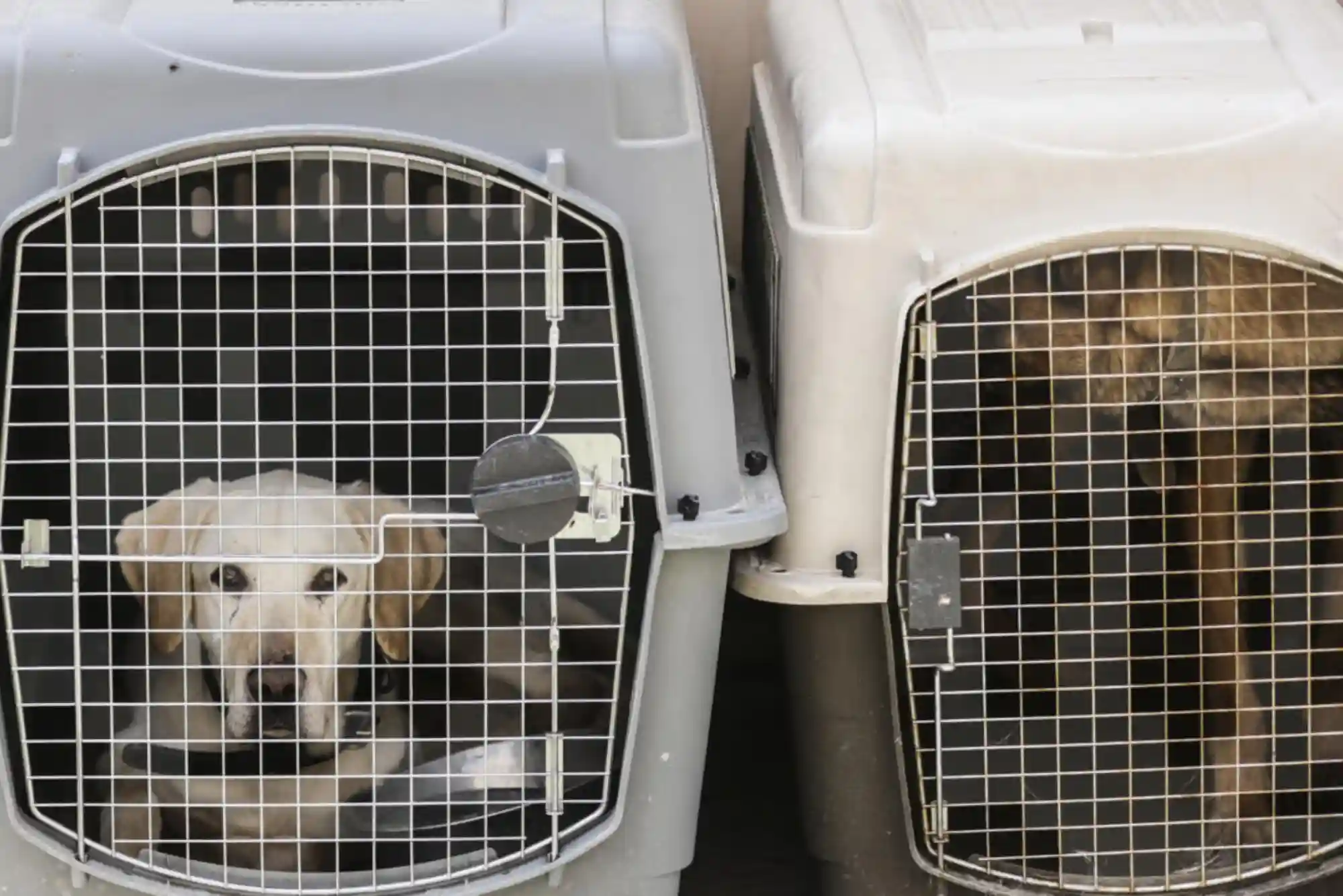
A suitable travel crate protects a dog during handling, loading, flight, and unloading. Airlines generally require an approved rigid container that complies with their pet transportation standards.
Choosing the Correct Crate Size
The crate must allow your dog to stand naturally, turn around, sit comfortably, and lie down in a normal resting position. The dog should not need to crouch continuously or press against the crate walls.
Measure your dog carefully before purchasing a kennel. Consider body length, standing height, and the space needed for comfortable movement.
Airline sizing formulas may differ, so confirm the exact measurements required by your carrier. A crate that meets one airline’s standards might not qualify with another.
Ventilation, Construction, and Security
Most airlines require a rigid, leak-resistant crate with adequate ventilation. The kennel should have a secure door and reliable locking mechanisms.
Ventilation openings must meet the carrier’s applicable specifications. Some airlines require additional openings on particular sides or impose minimum ventilation requirements.
The crate should resist normal handling without collapsing or exposing the dog to injury. Its door must remain securely closed throughout transportation.
Use an appropriate absorbent lining to manage moisture. Avoid materials that could obstruct ventilation or create choking hazards.
Food and Water Containers
Airlines may require food and water containers that handlers can access without opening the crate door. Securely attached bowls can help prevent spills during transportation.
Follow the airline’s instructions regarding water availability, feeding schedules, and container placement. Do not assume every carrier permits identical arrangements.
Familiarize your dog with the crate well before departure. Positive crate training can reduce anxiety and help your pet settle during the journey.
Preparing Your Dog for Air Cargo Travel
Successful transportation involves more than selecting the correct kennel. Your dog’s health, behavior, documentation, and travel itinerary also influence the experience.
Veterinary Checks and Travel Documents
Arrange a veterinary examination before international travel. Your veterinarian can assess whether your dog is fit to fly and explain any relevant health concerns.
Depending on the destination, you may need a microchip, vaccination records, an import permit, a health certificate, or parasite treatment documentation.
Some countries require specific rabies vaccination procedures or waiting periods. Others impose additional testing or quarantine requirements.
Check official destination-country regulations and airline documentation deadlines well in advance. Missing paperwork can result in denied boarding, additional costs, or delays.
Crate Training and Familiarization
Introduce the travel crate several weeks before departure whenever possible. Start by allowing your dog to explore it voluntarily.
Place familiar bedding inside if permitted by the airline. Reward calm behavior and gradually increase the time your dog spends resting in the kennel.
Next, practice short periods with the door closed while monitoring your dog’s comfort. Avoid forcing a frightened dog into prolonged confinement.
A familiar crate can make the transportation process less stressful. However, training cannot eliminate every risk associated with air travel.
Feeding and Medication Considerations
Follow your veterinarian’s advice about feeding before departure. A large meal immediately before travel may increase discomfort for some dogs.
Provide access to water according to airline instructions. Avoid withholding water for extended periods unless a veterinarian gives specific guidance.
Never sedate your dog for air travel without veterinary advice and explicit airline approval. Sedatives can affect balance, breathing, and the body’s response to environmental changes.
Common Mistakes When Flying with Dogs as Checked Baggage or Cargo
One frequent mistake is booking transportation before confirming the airline’s current pet policy. Some carriers accept only cargo shipments, while others impose restrictions on particular breeds or aircraft.
Another mistake is choosing a crate based solely on your dog’s weight. Physical dimensions and movement requirements are equally important.
Ignoring connecting-airport temperatures can also create problems. A dog may face restrictions during transit, even when the departure conditions are acceptable.
Owners should also avoid last-minute document preparation. International pet travel requirements can involve multiple authorities and strict deadlines.
Finally, do not assume that paying for cargo guarantees immediate loading or collection. Weather disruptions, operational delays, and customs procedures can affect the schedule.
Careful coordination with the airline and any transport agent helps prevent avoidable complications.
Frequently Asked Questions
Can dogs fly as checked baggage or cargo?
Yes, depending on the airline, route, dog size, breed, and applicable regulations. Some airlines accept eligible pets as checked baggage, while others require cargo transportation. Confirm the available service directly with your carrier.
What is a temperature embargo for pets?
A temperature embargo is a temporary restriction on animal transportation during specified weather conditions. Airlines use these restrictions to reduce exposure to dangerous heat or cold during handling and transit.
What size crate does a dog need for air travel?
Your dog needs a crate that meets the airline’s construction and measurement requirements. Generally, the dog must be able to stand, turn around, and lie down comfortably. Confirm the carrier’s exact sizing rules before purchasing a kennel.
Is flying in cargo safe for dogs?
Air cargo transportation can be arranged with established animal-handling procedures, but it carries risks. Weather, breed-related health concerns, stress, and delays can affect a dog’s well-being. Discuss individual risks with your veterinarian and select a suitable route.
Can dogs fly in hot weather?
Some dogs can travel during warm weather when the airline permits transportation and appropriate safeguards are available. However, temperature embargoes may prevent acceptance when conditions exceed the carrier’s limits. Always verify restrictions for every airport on the itinerary.
Should I sedate my dog before flying?
Do not sedate your dog without veterinary guidance and airline approval. Sedation can create additional risks during air transportation. Discuss safer preparation strategies with your veterinarian before departure.
Conclusion
Flying with dogs as checked baggage or cargo requires careful attention to airline policies, temperature embargoes, crate specifications, and veterinary documentation. Each requirement contributes to a more organized and responsible travel experience.