
Introduction
Cat ownership brings endless joy, but dealing with litter scattered across your floor or urine leaking onto your carpet certainly does not. If your cat kicks litter like a construction worker or stands straight up while urinating, standard open pans simply fail. You end up constantly sweeping, vacuuming, and cleaning messy floors around the litter station.
Finding the Best Top-Entry and High-Sided Litter Boxes for Cats That Kick Litter and High Pee-ers is the most effective solution to this widespread problem. These specialized litter boxes use tall walls, covered tops, and seamless bases to keep every grain of litter and drop of urine right where it belongs. In this comprehensive guide, we will explore the top-performing designs, key features to look for, and practical strategies to keep your home clean and your feline friend comfortable.
Understanding the Difference Between High-Sided and Top-Entry Design
When shopping for solutions, you will primarily encounter two structural designs: high-sided open pans and top-entry enclosed boxes. Understanding how each design works helps you select the right fit for your cat’s personality and physical needs.
High-Sided Open Litter Boxes
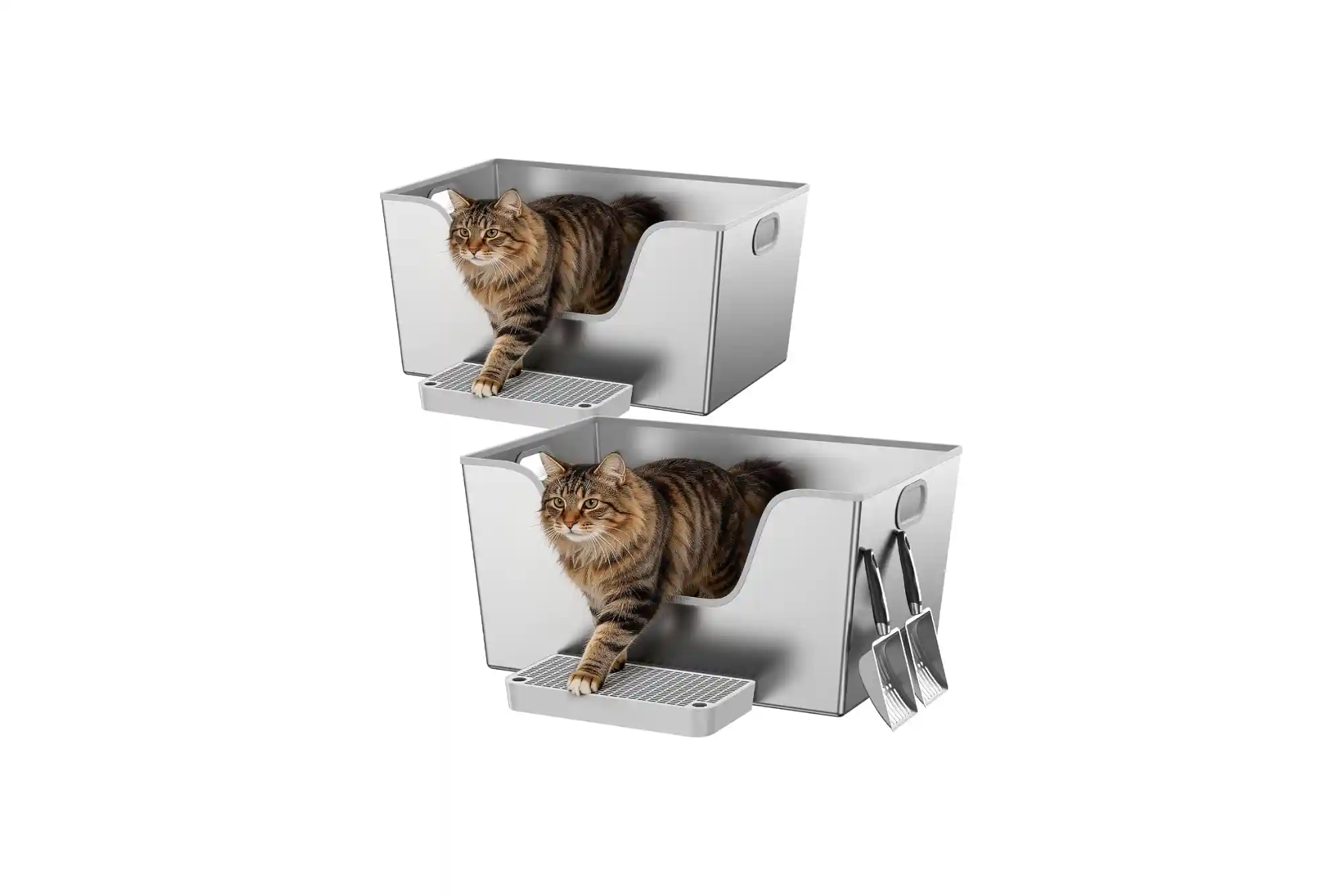
High-sided litter boxes feature elevated plastic walls on three sides, usually measuring between 8 to 12 inches tall, with a lower entry lip in the front. These open-top designs are ideal for cats that dislike feeling enclosed or trapped. They offer excellent airflow, making them less likely to trap unpleasant odors around your cat while they use the box.
The primary benefit of a high-sided box is its ability to block horizontal litter kicking and direct high streams back down into the pan. However, because the front entrance remains lower for easy access, a very enthusiastic digger might still kick some tracking material out of the front entryway.
Top-Entry Litter Boxes
Top-entry litter boxes are fully enclosed containers with a top lid containing an entry hole. Your cat jumps onto the lid and steps down inside to do their business. When they finish, they jump back out onto the gridded top lid, which acts as a built-in tracking mat to catch particles from their paws.

This design offers near-perfect protection against both aggressive kicking and high peeing. Because the walls are completely seamless around all four sides, urine cannot seep through any joints or cracks. It is also an ideal choice if you have dogs or toddlers, as it keeps curiosity out of the litter area.
Key Features to Consider Before Buying
Not all tall litter boxes are created equal. To ensure long-term success and effortless maintenance, pay close attention to construction details before making a purchase.
Seamless One-Piece Construction
For high pee-ers, a seamless base is non-negotiable. Traditional two-piece litter boxes with a snap-on hood often fail because urine sprayed high up runs down the interior wall and seeps through the horizontal seam where the top meets the bottom pan. Look for boxes molded from a single piece of heavy-duty plastic or those with overlapping interior shields.
Size and Internal Ergonomics
A common mistake pet owners make is buying a box that is too small. Cats need enough space to turn around, dig comfortably, and squat without pressing against dirty walls. Measure your cat from nose to base of tail and choose a box that is at least 1.5 times their length. For top-entry models, ensure the entry hole is large enough for your cat to pass through easily.
Textured Lid Grids for Litter Catching
If litter tracking is your primary issue, inspect the surface of the top lid. High-quality top-entry boxes feature grooved or perforated lids designed to brush off excess particles from your cat’s paws when they leap out. The loose litter falls through small holes back into the box below, saving you clean-up effort.
Top Recommendations for Litter Kickers and High Pee-ers
Selecting the ideal container depends on your cat’s specific habits, age, and physical condition. Below are the leading choices categorized by their structural benefits.
Best Overall Top-Entry Box: Iris USA Top Entry Litter Box
The Iris USA Top Entry Litter Box stands out as a crowd favorite for both effectiveness and clean modern design. It features a spacious interior with smooth round walls that prevent litter from catching in tight corners. The grooved lid effectively removes attached particles from paws, keeping your floors clean.
Its seamless deep basin ensures that even high-pressure streams flow downward toward the absorbent substrate without any risk of leakage. It comes with a matching scoop that hangs neatly on an integrated side hook, keeping accessories organized.
Best Overall High-Sided Box: Nature’s Miracle High-Sided Litter Box
If your cat refuses to use fully covered enclosures, the Nature’s Miracle High-Sided Litter Box provides the perfect open-air solution. Featuring extra-tall 10-inch walls, this pan stops horizontal digging debris and contained urine streams effectively.
The low front entry allows smooth access for senior cats or those with minor mobility issues, while the non-stick antimicrobial surface prevents waste build-up. Its wide oval shape gives larger breeds plenty of room to maneuver.
Best Premium Seamless Option: Modkat XL Litter Box
For cat parents willing to invest in design and maximum versatility, the Modkat XL offers both top-entry and front-entry configurations in one system. It includes reusable, heavy-duty tarp liners tailored specifically to fit the box without bunching.
The seamless construction guarantees zero leaks for high pee-ers, and the sleek modern aesthetic blends seamlessly with contemporary home decor. Its walk-off top lid minimizes tracking significantly.
How High Peeing and Litter Kicking Behavior Develops
Understanding why your cat exhibits these behaviors helps you address the underlying causes alongside upgrading your hardware.
Why Cats Pee High Up
High peeing, also known as vertical spraying or standing urination, is often just a physical habit rather than a behavioral issue. Some cats simply do not lower their hindquarters when urinating due to joint stiffness, hip discomfort, or preference.
However, sudden shifts in posture can occasionally indicate urinary tract distress, bladder inflammation, or stress from environmental changes. If your cat suddenly changes their standing stance, consult your veterinarian to rule out medical issues.
The Instinct Behind Aggressive Litter Kicking
Digging and kicking are deeply ingrained natural behaviors. Wild felines cover their waste to mask their scent from predators and territorial rivals. Some domestic cats are simply more thorough than others, digging extensive trenches before and after doing their business.
In addition, if a litter box is too small or the substrate level is too shallow, your cat may kick more forcefully in an attempt to find fresh, clean coverage area.
Tips for Transitioning Your Cat to a New Litter Box
Cats are creatures of habit, and introducing a radically new box design like a top-entry container requires patience and careful planning.
Keep the Initial Placement Consistent
Set up the new high-sided or top-entry box in the exact location where the old box previously stood. Cats rely heavily on spatial memory to locate their bathroom area, so keeping the spot identical reduces anxiety.
Use Familiar Litter and Scents
Fill the new box with the same brand and type of substrate your cat is currently accustomed to using. To make the transition easier, mix a small scoop of clean material from their old box into the new setup so it carries a familiar scent.
Leave the Top Lid Off Temporarily
When introducing a top-entry box, remove the top lid for the first few days. Allow your cat to get used to stepping over the higher sides into the open basin. Once they use the bottom pan regularly, snap the lid in place.
Essential Maintenance and Cleaning Practices
Proper upkeep extends the lifespan of your heavy-duty litter box and prevents stubborn odors from clinging to plastic materials.
Scoop Waste Daily
High-sided and enclosed boxes trap air inside, which means odors can build up quickly if waste sits for too long. Scoop solid waste and urine clumps at least once daily to maintain a inviting environment for your pet.
Wash with Gentle Non-Scented Cleaners
Avoid harsh chemical cleaners like bleach or ammonia, which can react badly with urine and create overwhelming fumes. Use mild dish soap and warm water during routine deep cleans every two to four weeks.
Replace Scratched Boxes Periodically
Over time, sharp cat claws create micro-scratches along the plastic bottom and interior side walls. These small grooves trap bacteria and odor-causing molecules that routine washing cannot eliminate. Plan to replace plastic litter boxes every 12 to 18 months.
Frequently Asked Questions
Are top-entry litter boxes safe for senior cats?
Top-entry boxes may not be suitable for older cats suffering from arthritis or joint pain, as jumping onto the lid can cause discomfort. For senior cats that kick litter or pee high, a high-sided open box with a low front entry cutout is a much safer choice.
How high should litter box sides be for a high pee-er?
To successfully catch vertical streams, look for side walls that measure at least 10 to 12 inches tall. Top-entry models offer 15 inches or more of seamless wall height, making them the ultimate protection against vertical spraying.
How much litter should I put inside a high-sided box?
Maintain a steady depth of 3 to 4 inches of clumping litter. This depth allows your cat to dig without touching the plastic bottom and enables proper clumping action for high urine volumes.
Will a high-sided box stop my cat from kicking litter out the entrance?
While high walls stop side and back kicking, some litter may still exit through a low front entrance. Using an oversized honeycombed litter mat directly in front of the entry lip catches leftover particles from paws.
Conclusion
Managing a cat that kicks litter or pees high does not have to mean endless sweeping and damp carpet cleanup. By upgrading to the Best Top-Entry and High-Sided Litter Boxes for Cats That Kick Litter and High Pee-ers, you provide a clean, secure, and comfortable space that caters to your pet’s natural instincts while keeping your floors pristine.