

Introduction
Canine pancreatitis is a severe and potentially life-threatening medical condition that affects dogs of all breeds, ages, and sizes. It occurs when the pancreas becomes inflamed, causing digestive enzymes to activate prematurely within the organ itself rather than inside the small intestine. This process leads to auto-digestion of pancreatic tissue, causing intense localized pain, systemic inflammation, and serious internal complications. Dog owners often fail to recognize the initial warning signs because symptoms can appear gradually or mimic simple stomach upset. However, swift intervention is critical to protecting your pet from severe organ damage or fatal systemic shock. Understanding how high-fat meals trigger this inflammation empowers dog owners to make safer dietary choices and react quickly in an emergency.
Understanding Canine Pancreatitis Emergency Symptoms
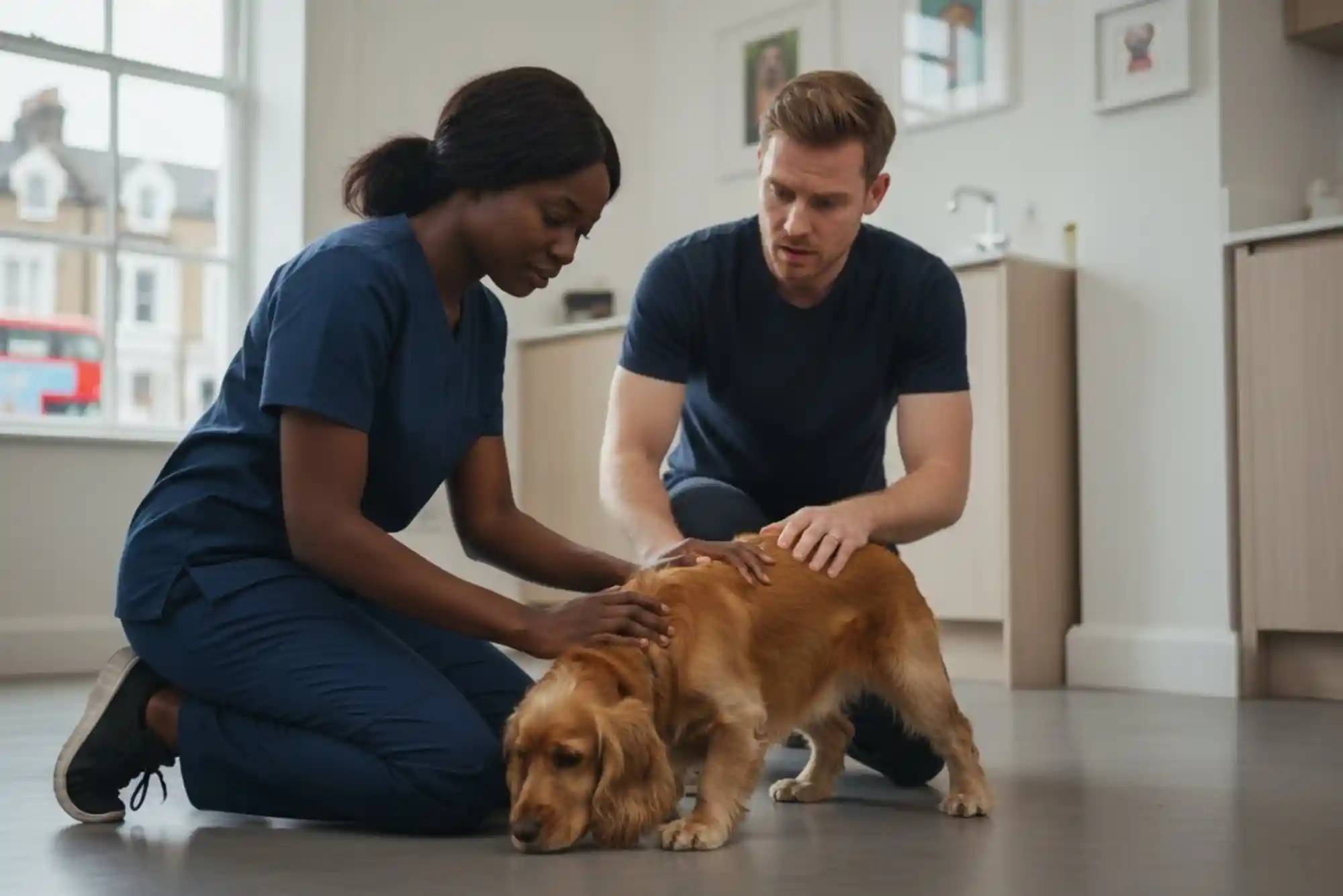
Recognizing canine pancreatitis emergency symptoms early can mean the difference between a quick recovery and a prolonged critical medical event. The most unmistakable sign of acute pancreatic pain in dogs is the characteristic praying posture, where a dog lowers its front feet while keeping its rear end elevated in the air. Dogs adopt this posture in an attempt to relieve intense pressure and abdominal agony caused by the inflamed pancreas. In addition to this physical stance, affected dogs often display severe, repeated vomiting, acute lethargy, and a complete refusal to eat or drink.
Abdominal bloating and extreme pain when touched around the stomach area are clear warning signs that require immediate veterinary intervention. You may notice your dog crying out, trembling, or pulling away when you attempt to pick them up or pet their abdomen. Severe watery or bloody diarrhea frequently accompanies these symptoms, leading to rapid dehydration and fluid loss. High fever, shallow breathing, and pale gums indicate that the condition is progressing toward dangerous systemic inflammation or shock. If you observe any combination of these acute symptoms, you should seek emergency veterinary care without delay.
High-Fat Food Dangers and the Pancreatitis Trigger
High-fat food dangers represent the single most common dietary trigger for acute episodes of canine pancreatitis. The pancreas plays a pivotal role in digestion by producing lipase, an essential enzyme responsible for breaking down dietary fats. When a dog consumes a meal loaded with excessive fat, the pancreas must work rapidly under extreme demand to produce high concentrations of digestive enzymes. This sudden overload causes the secretory pathways in the pancreas to become congested, leading to enzyme retention and premature enzyme activation inside the organ.
Table scraps, butter, greasy meat trimmings, bacon fat, and fried foods are major culprits behind sudden pancreatitis attacks. Even small portions of high-fat human treats during holiday dinners or family gatherings can spark severe inflammation in sensitive dogs. Certain breeds, including Miniature Schnauzers, Yorkshire Terriers, and Cocker Spaniels, possess genetic predispositions that make them far more susceptible to fat-induced pancreatic damage. Furthermore, obesity, chronic high blood lipid levels, and endocrine disorders like Cushing’s disease significantly compound these high-fat food dangers.
Acute Versus Chronic Canine Pancreatitis
Canine pancreatitis manifests in two primary forms: acute pancreatitis and chronic pancreatitis. Acute pancreatitis develops suddenly, often following the ingestion of a high-fat meal or garbage scavenged from the yard. This acute form causes severe tissue swelling, severe pain, and rapid systemic collapse if left untreated by veterinary professionals. Emergency hospitalization, intravenous fluid replacement, and strong pain management are almost always required to stabilize a dog suffering an acute attack.

Chronic pancreatitis, by contrast, develops slowly over extended periods, often marked by low-grade, recurrent inflammation that gradually destroys functional pancreatic tissue. Dogs with chronic pancreatitis may experience intermittent bouts of mild stomach distress, soft stools, or occasional appetite loss that owners mistake for routine digestive sensitivity. Over time, progressive tissue scarring impairs the organ’s ability to produce necessary digestive enzymes and insulin. This irreversible structural loss can eventually lead to secondary conditions such as exocrine pancreatic insufficiency or diabetes mellitus. Managing both forms requires strict dietary discipline to prevent permanent metabolic damage.
Immediate Emergency Care and Veterinary Diagnostics
When you present a dog showing canine pancreatitis emergency symptoms to a veterinary clinic, rapid stabilization is the primary goal. Veterinarians will first perform a comprehensive physical examination, focusing on pain response, hydration status, and circulatory health. Because pancreatitis symptoms overlap with foreign body obstructions, toxic ingestion, and acute gastroenteritis, diagnostic testing is essential to confirm the diagnosis. Blood testing provides vital data regarding systemic inflammation, kidney function, and electrolyte balances that must be carefully monitored.
A specific diagnostic blood test known as the canine pancreatic lipase immunoreactivity test is considered the benchmark for identifying active pancreatic inflammation. Radiographs help rule out intestinal blockages or foreign objects, while abdominal ultrasound allows veterinarians to visualize the size, texture, and surrounding fluid collections around the pancreas directly. Hospitalized dogs receive intravenous fluid therapy to combat dehydration and maintain blood flow to damaged organs. Continuous administration of injectable analgesics, anti-nausea medications, and stomach protectants helps ease distress while the pancreas rests and recovers.
Implementing a Low-Fat Recovery Diet
Transitioning your pet to a low-fat recovery diet is the critical foundation of long-term healing after an acute pancreatitis attack. Once a hospitalized dog stops vomiting and can retain water, veterinarians reintroduce small, highly digestible, low-fat meals to nourish the intestinal mucosa without overstimulating the pancreas. Commercial prescription diets designed specifically for gastrointestinal recovery typically keep fat content below ten percent on a dry matter basis, minimizing digestive workload while ensuring adequate calorie intake.
Homemade recovery diets can also be utilized under strict veterinary guidance to help dogs make a safe transition. Boiled chicken breast with skin and fat removed, paired with plain white rice or canned pumpkin, provides a gentle meal option during the initial days at home. Food must be offered in four to six tiny, frequent meals throughout the day rather than one or two large feedings to avoid stretching the stomach and triggering enzyme releases. Always maintain constant access to fresh, clean water, as hydration is paramount during the entire dietary rehabilitation process.
Long-Term Dietary Management and Prevention
Preventing future pancreatitis flare-ups requires permanent lifestyle modifications and strict vigilance regarding your dog’s diet. Once a dog experiences an acute attack, its pancreas remains permanently sensitive to dietary disruptions and fat spikes. You must eliminate all high-fat human foods, table scraps, greasy chews, pig ears, and fatty dog treats from your pet’s routine completely. Inform family members, neighbors, and guests that offering table food to your dog poses serious health hazards.
Select commercial dog foods that clearly list low fat content on the guaranteed analysis label, focusing on lean protein sources like chicken, turkey, or white fish. Keep household garbage cans securely locked and ensure compost bins or food scraps are entirely out of your dog’s reach. Regular physical exercise and weight monitoring are equally vital, as maintaining an ideal body condition significantly lowers systemic inflammation and reduces stress on internal organs. Schedule routine veterinary check-ups to evaluate blood work and monitor long-term digestive stability.
Frequently Asked Questions
What is the fastest way to cure pancreatitis in dogs?
There is no instant home cure for canine pancreatitis; medical treatment requires supportive veterinary care. Fast stabilization through intravenous fluids, pain management medications, and anti-nausea drugs administered in a clinic setting provides the fastest path to safety and recovery.
Can a dog fully recover from pancreatitis?
Yes, many dogs make a complete recovery from mild or moderate acute pancreatitis if treated promptly by a veterinarian. However, dogs that survive an acute attack remain prone to future episodes and require lifelong management on a low-fat recovery diet to prevent chronic inflammation.
What foods can trigger pancreatitis in dogs?
High-fat foods such as bacon, butter, sausage, chicken skin, cheese, fried foods, and fatty meat trimmings are primary triggers. Gravy, leftover holiday roasts, and greasy garbage contents are also frequent sources of sudden, severe pancreatic inflammation.
How long does it take for a dog to recover from pancreatitis?
Recovery times vary depending on the severity of the inflammation and how quickly treatment begins. Mild cases may resolve within three to five days of veterinary care, whereas severe cases requiring intensive hospital care can take several weeks of recovery and specialized feeding.