
Introduction
Fireworks and thunderstorms can turn a relaxed dog into a frightened, restless companion. Sudden bangs, deep rumbles, flashing lights, and unpredictable noises may cause dogs to tremble, pant, hide, bark excessively, or attempt to escape. For some pets, even distant thunder or the first sound of fireworks can trigger anxiety.
Learning how to desensitize dogs to fireworks and thunderstorms can help reduce these reactions and improve a dog’s ability to cope with stressful situations. The most effective behavioral approach combines gradual sound exposure, positive reinforcement, and a comfortable environment. Tools such as sound therapy recordings and pressure wraps like Thundershirts may also provide additional support.
However, every dog responds differently. While some dogs improve with consistent home training, others experience severe noise phobias that require veterinary guidance. Understanding your dog’s behavior and introducing changes at a comfortable pace are essential to making progress.
Why Are Dogs Afraid of Fireworks and Thunderstorms?
Dogs may react strongly to loud noises because they cannot predict when a sound will occur or understand its source. Fireworks produce sudden explosions, whistles, and flashes of light, while thunderstorms combine thunder, rain, wind, lightning, and other environmental changes.
A dog’s fear may also develop after a frightening experience. For example, a puppy exposed to unexpectedly loud fireworks may become more sensitive to similar sounds later in life. Some dogs develop noise sensitivity as they age, even if they previously tolerated storms without difficulty.
Common Signs of Noise Anxiety
Recognizing early signs of fear helps owners adjust the environment before anxiety escalates. A dog experiencing noise-related stress may pace around the house, tremble, pant heavily, whine, bark, hide under furniture, or refuse food.

More serious reactions include destructive behavior, frantic scratching at doors, attempts to jump through windows, and uncontrolled escape attempts. Dogs may also become unusually clingy or refuse to go outdoors when they hear distant thunder.
If your dog displays severe or worsening symptoms, consult a veterinarian. Early intervention can prevent repeated frightening experiences from making the problem harder to manage.
How to Desensitize Dogs to Fireworks and Thunderstorms
Desensitization involves introducing a frightening sound at a level your dog can comfortably tolerate and gradually increasing its intensity over time. Counterconditioning complements this process by helping your dog associate the sound with something enjoyable, such as treats, play, or praise.
Together, these techniques can help change your dog’s emotional response rather than simply teaching the animal to remain still while frightened.
Start Training Before Fireworks or Storm Season
Begin training during a quiet period when real fireworks and thunderstorms are unlikely. This gives you control over the sounds, their volume, and the length of each session.
Choose a quiet room where your dog already feels comfortable. Teach a simple relaxation cue, such as “settle,” or encourage your dog to rest on a familiar mat. Reward relaxed behavior before introducing any recordings.
Starting well in advance is important because noise desensitization often takes weeks or months, depending on the dog’s fear level and learning progress.
Introduce Sounds at a Very Low Volume
Find a recording of fireworks or thunderstorms that resembles the sounds your dog finds frightening. Play it at a barely audible volume while offering small pieces of a favorite treat.
Watch your dog’s body language throughout the session. A relaxed dog may continue eating, sniff around, lie down, or respond normally to familiar cues. If your dog freezes, pants, tries to hide, becomes restless, or refuses treats, the sound may be too intense.
Lower the volume or stop the session if your dog becomes uncomfortable. Never increase the sound simply to see whether your dog can tolerate it.
Increase the Volume Gradually
Once your dog consistently remains relaxed at the current volume across multiple sessions, increase it slightly. Begin each new session at an easy level before progressing.
Keep sessions short and positive. Five to ten minutes can be a useful starting point, although individual dogs may need less time. Offer rewards while the sound plays, then finish before your dog becomes tired or anxious.
Progress should depend on your dog’s behavior rather than a fixed timetable. If anxiety returns, lower the volume and spend more time at the previous level.
Practice With Different Sounds
Fireworks and thunderstorms contain several distinct sounds, so one recording may not prepare your dog for every situation. Fireworks can include whistles, sharp bangs, and repeated explosions. Storm recordings may include rainfall, wind, thunderclaps, and distant rumbles.
Introduce these sounds separately when possible. Once your dog is comfortable with individual recordings, gradually combine them or introduce different recordings at manageable volumes.
Remember that recorded sounds cannot reproduce every aspect of a real storm. Dogs may also react to lightning, changes in the environment, or other storm-related cues. Real-world management remains important even after successful sound training.
Sound Therapy for Dogs: How It Works
Sound therapy uses controlled audio exposure to help dogs become more comfortable with noises they previously found threatening. It works best when recordings are introduced gradually and paired with positive experiences.
Choose Appropriate Fireworks and Thunder Recordings
Select recordings that reflect your dog’s specific triggers. If your pet reacts primarily to sudden explosions, start with fireworks sounds. If rainfall or distant rumbling causes distress, use a suitable thunderstorm recording.
Good-quality recordings can help, but the goal is not to reproduce a frightening event at full intensity immediately. Start quietly, observe your dog, and adjust the volume according to its response.
Pair Sounds With Positive Rewards
Give your dog a small treat, a favorite toy, or an opportunity to play whenever the recording plays. The sound should predict something enjoyable.
For example, begin a quiet fireworks recording and offer several small treats while your dog remains comfortable. When the recording ends, the treats can stop too. Over repeated sessions, the sound may become a signal that good things are about to happen.
Avoid forcing your dog to sit beside the speaker or remain in a particular position. Your pet should be free to move away if needed.
Use Music and White Noise for Immediate Comfort
During actual fireworks or thunderstorms, white noise, a fan, or calming music may help mask some outside sounds. Close windows and curtains, and choose an interior room where the noise is less intense.
Background sound is a management tool, not a replacement for desensitization. It may reduce exposure during an event, but it does not necessarily change the underlying fear.
Thundershirts for Dogs: Can They Reduce Anxiety?
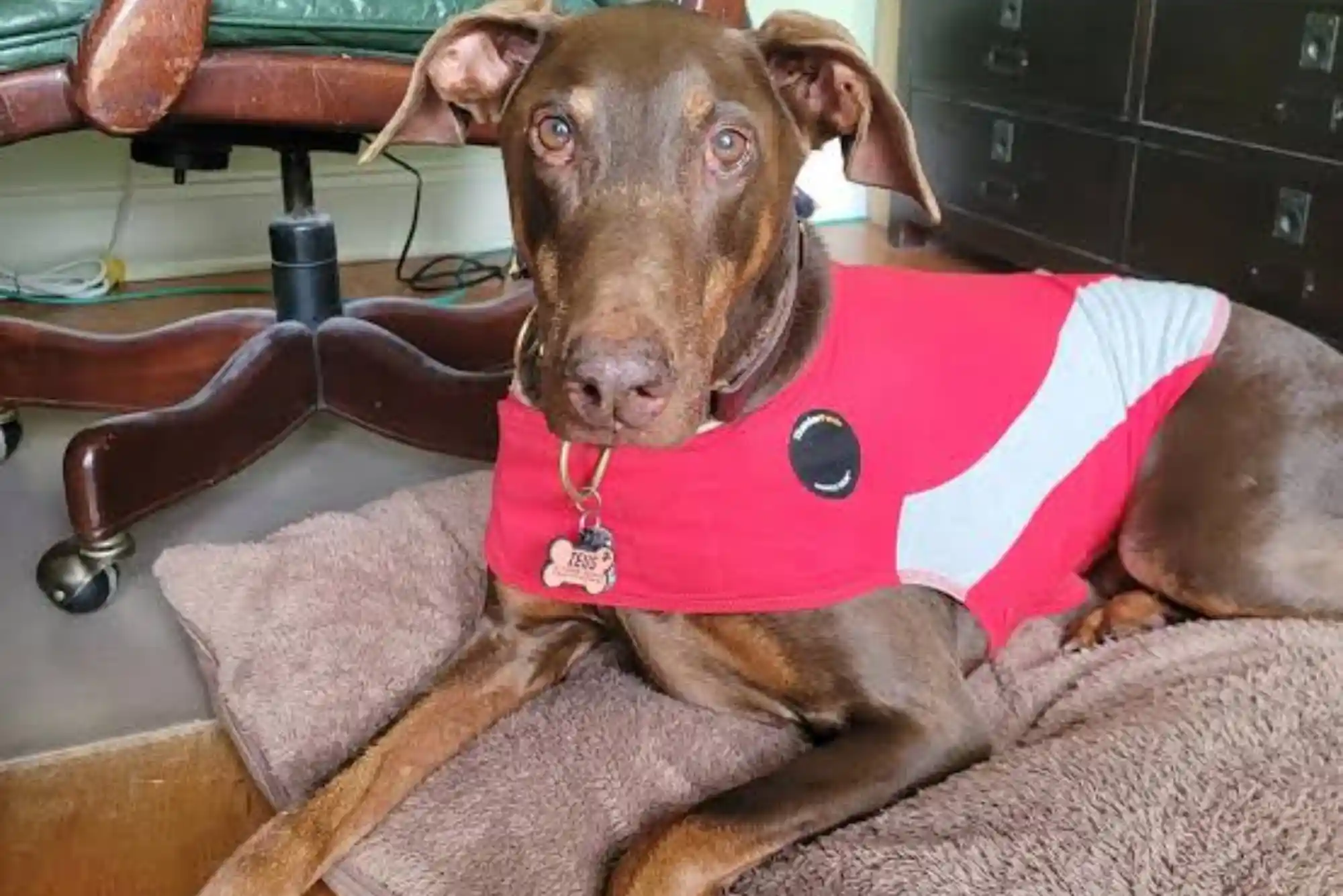
A Thundershirt is a pressure wrap designed to fit snugly around a dog’s torso. Similar anxiety wraps use gentle, distributed pressure that may help some dogs feel more secure during stressful situations.
Owners sometimes use these garments during fireworks, thunderstorms, travel, or other anxiety-provoking events. However, responses vary, and a Thundershirt should not be considered a guaranteed treatment for noise phobia.
How Thundershirts Work
The idea behind pressure wraps is that gentle, consistent contact may have a calming effect on some dogs. The exact response differs between individuals, and scientific evidence supporting pressure wraps is limited compared with established behavioral approaches.
For this reason, it is sensible to treat a Thundershirt as a possible supportive tool rather than the main solution.
How to Introduce a Thundershirt
Introduce the garment during a calm part of the day, rather than waiting until fireworks begin. Let your dog sniff it and reward voluntary investigation. Gradually put it on for short periods, offering treats and praise if your dog remains comfortable.
Follow the manufacturer’s fitting instructions. The wrap should fit securely without restricting breathing, movement, or normal behavior. Check the skin for irritation and remove the garment if your dog seems distressed or overheated.
Never force a dog to wear a pressure wrap if it attempts to escape from it or becomes more anxious.
When a Thundershirt May Help
A pressure wrap may be worth trying for a dog with mild noise sensitivity, particularly alongside sound training and environmental adjustments. Some dogs may also benefit from having their owner nearby during a stressful event.
However, dogs with intense panic, repeated escape attempts, or an inability to settle may need more comprehensive treatment. In such cases, consult your veterinarian instead of relying on a garment alone.
Creating a Safe Environment During Fireworks and Thunderstorms
Even with training, your dog may still become frightened by unexpected noises. A safe environment reduces the risk of injury and helps your pet cope while long-term behavior modification continues.
Prepare a Comfortable Safe Space
Choose a familiar room away from windows and exterior doors. Provide your dog’s usual bed, blankets, water, and favorite toys. Allow your pet to choose a hiding place if it feels safer there.
A crate may be appropriate if your dog already regards it as a comfortable refuge. Do not lock a panicking dog inside a crate, because an attempt to escape may cause injury.
Keep Your Dog Indoors and Secure
Bring your dog indoors before fireworks begin or a storm arrives. Check doors, gates, collars, harnesses, identification tags, and microchip details where applicable.
Walk your dog earlier in the day when fireworks are less likely. During periods of loud noise, avoid taking your pet outside unnecessarily. If an outdoor trip is essential, use a secure leash and well-fitted harness.
Offer Comfort Without Punishment
If your dog seeks reassurance, calm interaction and gentle petting may help. Allow your pet to stay nearby rather than forcing separation.
Do not punish barking, trembling, hiding, or other fear-related behavior. These reactions reflect distress, and punishment may increase anxiety. Your aim is to make the environment feel predictable and safe.
Food puzzles, stuffed toys, or familiar chews may provide useful distractions if your dog is comfortable enough to eat. Never insist on food or play when your pet is too frightened to engage.
Common Mistakes to Avoid During Sound Training
One of the most common mistakes is playing fireworks or thunder recordings too loudly at the beginning. Exposure that overwhelms a frightened dog can worsen its response rather than build confidence.
Another mistake is progressing too quickly. If your dog is comfortable at one volume, that does not automatically mean it is ready for a much louder recording. Move forward in small increments and repeat easier sessions whenever needed.
Avoid using real fireworks or deliberately exposing your dog to a live storm as a training exercise. These events are unpredictable and may cause intense fear. Controlled recordings provide a safer starting point.
It is also important not to rely entirely on calming garments, music, supplements, or other products. Their effects vary, and none should replace a carefully designed behavior plan when the fear is significant.
Finally, do not expect immediate results. Some dogs improve gradually, while others require individualized training and veterinary support. Consistency, patience, and careful observation are more useful than trying to rush the process.
When Should You Consult a Veterinarian?
Professional support is especially important if your dog experiences extreme panic, injures itself while trying to escape, destroys doors or windows, or remains distressed long after the noise ends.
A veterinarian can assess whether pain, age-related changes, or another medical issue contributes to the behavior. They can also recommend a suitable treatment plan that may combine behavior modification with prescription medication when appropriate.
For persistent or severe cases, ask about referral to a veterinary behaviorist or a qualified, reward-based behavior professional experienced in noise phobias.
Medication is not a failure of training. For some dogs, appropriate veterinary treatment reduces distress enough to make learning and everyday management more effective. Never give your dog human medication or sedatives without veterinary direction.
Help Your Dog Feel Safer Around Loud Noises
Learning how to desensitize dogs to fireworks and thunderstorms takes patience, consistency, and an understanding of canine body language. Gradual sound exposure and positive reinforcement can help many dogs develop a more comfortable response to frightening noises. Safe indoor spaces, background music, and pressure wraps such as Thundershirts may provide additional support, although no single method works for every dog.
The most important step is to begin before the next fireworks display or storm, keep every training session below your dog’s fear threshold, and seek professional help when anxiety is severe.
Ready to help your dog cope with loud noises? Start with a quiet sound recording, a few favorite treats, and a comfortable place to relax. Track your dog’s progress, move at its pace, and speak with your veterinarian if fear continues to interfere with daily life.
FAQs
How do I desensitize my dog to fireworks?
Start by playing a fireworks recording at a barely audible volume while offering treats or praise. Keep sessions short and increase the volume gradually only when your dog remains relaxed. If your dog shows fear, lower the volume and return to an easier stage.
How can I calm my dog during thunderstorms?
Bring your dog indoors and provide a familiar, quiet hiding place away from windows. Close curtains, use white noise or calming music, and stay nearby if your dog seeks reassurance. For severe storm anxiety, ask your veterinarian about behavior therapy and treatment options.
Do Thundershirts really work for dogs?
Thundershirts may help some dogs by providing gentle pressure around the torso, but results vary and scientific evidence is limited. They are best used as a supportive measure alongside positive reinforcement, environmental management, and veterinary advice when necessary.
Can dogs get used to fireworks over time?
Yes, many dogs can become more comfortable with fireworks through gradual desensitization and counterconditioning. Progress depends on the dog’s individual fear level, training history, and consistency. Severe noise phobias may require professional help.
Should I comfort my dog when it is scared of thunder?
Yes. If your dog seeks contact, calm petting and reassurance are appropriate. Allow your pet to retreat to a safe place and avoid punishment or forced exposure. Comforting a frightened dog does not mean you must ignore the underlying anxiety.
How long does it take to desensitize a dog to loud noises?
The process may take several weeks or months, depending on the dog’s sensitivity and the intensity of its fear. Some dogs progress relatively quickly, while others need a slower, individualized plan. Training should advance according to relaxed behavior rather than a strict deadline.
Is it safe to play thunderstorm sounds for dogs?
Yes, recordings can be useful when played at a volume your dog comfortably tolerates. Start very quietly, monitor body language, and stop or reduce the volume if your dog becomes anxious. Never use loud recordings to force your pet to confront its fear.
When should I seek professional help for dog noise anxiety?
Consult a veterinarian if your dog panics, attempts dangerous escapes, injures itself, refuses food during every exposure, or shows worsening fear. A veterinary professional can recommend behavior modification and determine whether medication or specialist support may be appropriate.